
Sofie, Speciale studerende i Molekylær Biomedicin ved KU
Sofie har læst molekylær biomedicin på Københavns Universitet og lavede en del af sit speciale på CNS. Dette var et samarbejde mellem Ulrik Gether på Panum og CNS.
What did you do at CNS?
Jeg lavede stereologi. Jeg talte dopaminerge neuroner i substantia nigra på mus. Disse mus havde en specifik mutation i dopamintransporteren som var fundet i en patient diagnosticeret med ADHD og parkinsonisme. Vi var interesseret i at undersøge om musene havde et tab af dopaminerge neuroner, da dette er et karakteristika for Parkinsons' Sygdom.
What comes to mind regarding the research being conducted?
Center for Neurovidenskab og stereologi har en hjernebank og en biobank. Dette betyder at de modtager hjernedonationer, samt blodprøver og spinalvæske. Adgang til humant materiale gør forskningen, der udføres transnationalt og ekstremt relevant. Jeg synes det er meget mere givende at arbejde med noget man ved kommer fra de patienter vi prøver at hjælpe.
What comes to mind regarding the work environment?
Arbejdsmiljøet er hjælpsomt, rart og ambitiøst. Der altid hjælp at hente. Folk er meget interesseret og investeret i hinandens projekter og der er altid plads til spørgsmål og diskussioner om ting man ikke forstår. Der er stor interesse for hvad hinanden laver og der bliver spurgt til fremgang og komplikationer. For mig, er det meget vigtigt, at der er nogen til rådighed når man har brug for hjælp. Det er også et ambitiøst sted, ikke nødvendigvis i forhold til at man skal tilbringe alle døgnets vågne timer der, men at man hele tiden gerne vil udvikle sig, inkorporere nye teknikker og metoder, samt indgå nye samarbejder for at højne det faglige. Dette gør, at der er rig mulighed for, som studerende, at komme med ideer som også bliver hørt.
Her til sidst vil jeg slutte af med at sige, at jeg har været så glad for at være på CNS, så efter jeg har fået et PhD scholership fra Neuroscience Academy Denmark har jeg valgt at vende tilbage til CNS og lave min PhD her hos dem.
Luisa, Master student in Neuroscience from KU
What did you do at CNS?
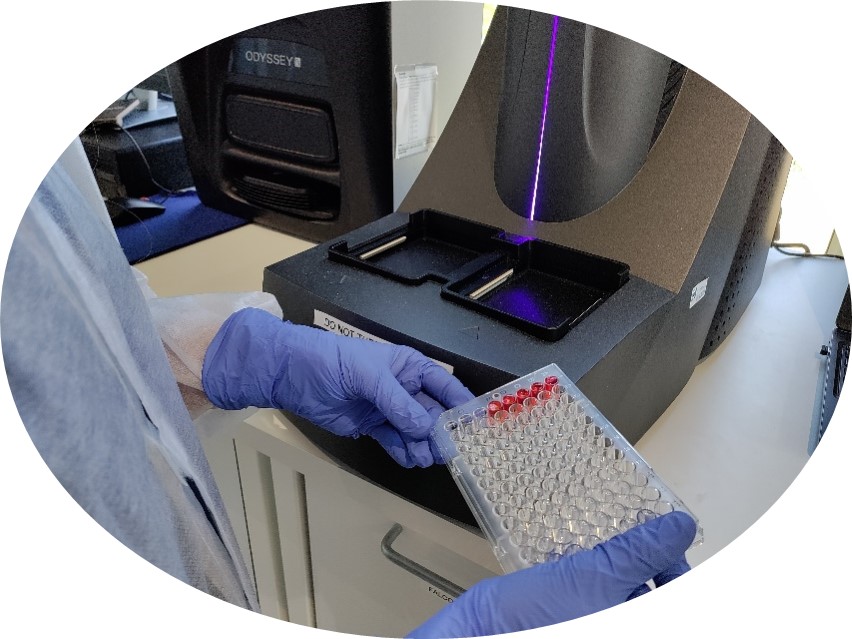
“I first joined the CNS lab for my Master thesis project and am super happy to have been able to stay even longer as a research assistant."
What comes to mind regarding the research being conducted?
There are so many great opportunities here to be part of an exciting and extraordinary research project, not only due to the incredibly broad access to human samples via the brain bank, but also due to the researcher's high expertise spanning different methodology. Maintaining close contact to collaborators and being affiliated with the Neurologisk Afdeling and Center for Translationel Forskning, the CNS lab is part of a great network that, amongst others, puts effort into bridging the gap to clinical research.
What comes to mind regarding the work environment?
The work environment here is amazing, both professionally and socially. Especially as a young researcher, I received incredible support and encouragement from everyone here that helped me to grow and to shape my scientific career. Being surrounded by colleagues with such a positive and motivating mindset, makes it easy to tackle every challenge along the way.
It is such a privilege to really love one's work and to enjoy every moment here.
I attended my very first big conference while I was here, the “World Parkinson conference" in Barcelona. It was just incredible…already being excited to be amongst so many smart people working in the same research field and then to see what high-quality research we are conducting and contributing to.
Jónvá, Master student in Medicinal and Molecular Biology from RUC
What did you do at CNS?
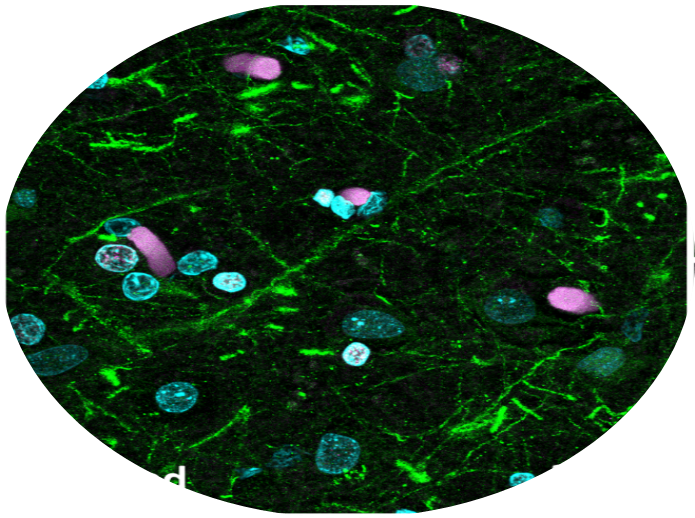
“I joined the CNS lab for my master's thesis project, where I mainly worked with immunostainings using human samples investigating the distribution of a protein (DNAJB6) which is thought to inhibit aggregation of a-syn and other misfolded proteins in the brain, thus being a potential target in alpha synucleopathjies“.
What comes to mind regarding the research being conducted?
- “Access to samples from the brain bank: This gives you the opportunity to be part of really exciting and cool research projects, that are also clinically relevant.
- Expertise in neuroscience: The researcher's experience and expertise in the field offers deep insight into both structural and functional changes that the brain undergoes during neurodegeneration.
- Interplay of Laboratory Methods: The combination of for examples stereological and molecular methods enhances the robustness and depth of research findings."
What comes to mind regarding the work environment?
- “Everybody always has their door open if you want to discuss or need help with something.
- A down-to-earth vibe, but keeping it highly professional. Everybody can feel welcome and included no matter what your experience level is.
- As one of the young researchers in the group I feel like I grew a lot both professionally and personally during my time there, thanks to the supportive environment and guidance from everyone in the lab, which also helped in shaping my future career".